
Buying in Japan
Japan allows foreign individuals and corporations to purchase freehold properties and has strict buyer protection laws.
Here at Heritage Homes Japan, we are delighted to assist you in navigating the process of purchasing freehold properties in Kyoto. We offer a unique opportunity to invest in Kyo-Machiya shophouses and farmhouses.

Purchase Process
Begin your property search in Kyoto, Japan, by submitting an inquiry via our contact form. After initial discussions, we will send you a shortlist for your consideration with general facts about the properties, price and estimated renovation costs.
Please be aware that, during the buying process, including property viewing trips, we do not offer compensation for any costs, such as airfare. This policy remains in effect, even if an offer is made on the property you are interested in while en route to Kyoto for the viewing.
We aim to provide you with all pertinent information and initiate the initial discussions concerning the necessary renovations for the properties in question. It is crucial to understand that Kyo-machiya townhouses exhibit varying conditions and situations, with some being antique houses over 80 years old. As such, buyers are requested to accept the properties in their current conditions without any alterations.
- Preliminary Agreement: This document serves as a non-binding Letter of Intent, laying the groundwork for the subsequent contract.
- Letter of Intent (LOI): This non-binding letter expresses your intention to purchase the property and outlines the proposed terms and conditions, including the anticipated price and payment procedure. You may submit the LOI to us via hand delivery, airmail, E-mail, or FAX.
It is essential to be mindful that the seller reserves the right to decline the LOI or discontinue negotiations if mutually acceptable terms cannot be reached. However, in the event that both parties reach an agreement, preparations for the formal contract will promptly commence.
To complete the contract signing, we kindly request your presence at our office in Kyoto. Before signing, we will explain all the terms and conditions in Japanese, adhering to the requirements of the Building Lots and Buildings Transaction Business Act. Please ensure you have the earnest money ready, as during the meeting, we will also collect payment for stamp duty and the first half of the agent commission. It is important to familiarise yourself with all associated costs and taxes in advance.
Necessary Items: Passport (for identification purposes), Utility Bill (for Address verification)
- Governing Language:
Please be informed that all contract-related documents will be presented in Japanese. However, our English-speaking staff will be available to offer verbal translations if required. If you prefer explanations in your native language, we strongly advise you to hire a translator proficient in real estate transaction laws, such as a solicitor or attorney, to ensure a comprehensive understanding of the contractual terms and obligations. - Earnest Money Deposit:
To proceed with the sale and purchase contract, we kindly request all clients to provide an earnest money deposit equivalent to 10% of the purchase price. This deposit serves as a guaranteed commitment towards the property acquisition and acts as security against any potential penalties.
For your convenience, you can make the payment in Japanese YEN either in cash at the time of contract signing or through a bank transfer. If opting for a bank transfer, please ensure the payment is completed by the morning of the contract-signing date.
Considering the potential processing time for overseas transactions, we advise making the payment well in advance to avoid any last-minute complications. It is important to note that any applicable bank transfer fees will be the sole responsibility of the buyer.
During the closing process, the remaining purchase balance, state taxes, and stamp duty must be paid. To facilitate a smooth transaction, your real estate attorney should be present at the closing meeting and promptly register the title transfer at the Legal Affairs Bureau afterwards. We collaborate with two proficient English-speaking property attorneys to handle our client’s acquisitions, but you may also opt for your preferred attorney.
Necessary Items: Passport, Affidavit for Proof of Residence (or equivalent certificate), Certified copy of corporate registration (or equivalent certificate).
For the closing payment, you can settle the remaining balance in Japanese YEN either in cash at our office or through a bank transfer, ensuring it is completed by the morning of the closing date. Additionally, we kindly request payment for the second half of the agent commission and the settlement amount for Fixed Asset Tax at this time. It is crucial to be well-informed about all applicable costs and taxes.
In Japan, solicitors/attorneys play a crucial role in real estate transactions, handling tasks such as certificate preparation and title transfer. We can introduce solicitors/attorneys proficient in English. However, if you prefer other solicitors or attorneys, please note that they must be native Japanese speakers and possess the necessary expertise in real estate transactions involving foreign clients.
These experts provide support for three essential procedures and two additional options:
- Aiding in the preparation of certificates.
- Witnessing the closing meeting (not mandatory for the contract meeting).
- Registering the title transfer at the Legal Affairs Bureau.
Optional:
- Offering translation and/or reviewing of contract documents.
- Assisting with tax administration.
In Kyoto, all utility bills can be conveniently paid via credit card (VISA, Master, JCB, or Diners Club). Alternatively, if you possess a Japanese bank account, electronic withdrawal is also available. To ensure a seamless transition into your new home, we recommend familiarising yourself with the local customs and practices of living in Kyoto. Additionally, we strongly advise considering the purchase of Home Insurance promptly to secure your investment.
Home Insurance: This insurance coverage will safeguard you against potential losses or damages, including fire and earthquake incidents. Should you desire a preliminary quote, we will address your inquiries and provide further details.
Purchasing Without Visiting Japan
Acquisition
When buying property in Japan, it’s important to be aware of the various property-related taxes. Here’s an overview, but please note that taxes are calculated on the local council’s ASSESSED value of the property, not the sales price. This is typically significantly lower than the sales price, especially in resort areas, about 1% of the sales price is a good guide.
Property Acquisition Tax: This one-time tax is levied when you acquire property. The tax rate varies depending on the type and value of the property. For residential land and buildings, the rate is currently 3% of the assessed value. However, there are reductions available for newly built houses or for land purchased for residential use. Note that tax on land is due to increase to 4% from April 2024.
Fixed Asset Tax: This is an annual tax, levied on the owner of the property as of January 1st each year. The rate is 1.4% of the assessed value of the property. The value is reassessed every three years, which can lead to changes in the tax amount. If you purchase a property midway through the year you will pay the tax pro-rata. Remember, the assessed value used for tax calculation differs massively from the market value. It’s also important to check for any local variations or additional taxes specific to the area where the property is located. This overview provides a general guide, but it’s advisable to consult with a local tax professional for precise calculations and up-to-date information.
Example of approximate total acquisition costs on a property costing ¥40M:
Agency Commission plus tax: ¥1,266,000
Notary / solicitor fees: ¥300,000
House insurance: ¥300,000
Fixed asset & planning tax: ¥60,000
Total approximate acquisition cost: ¥1,926,000
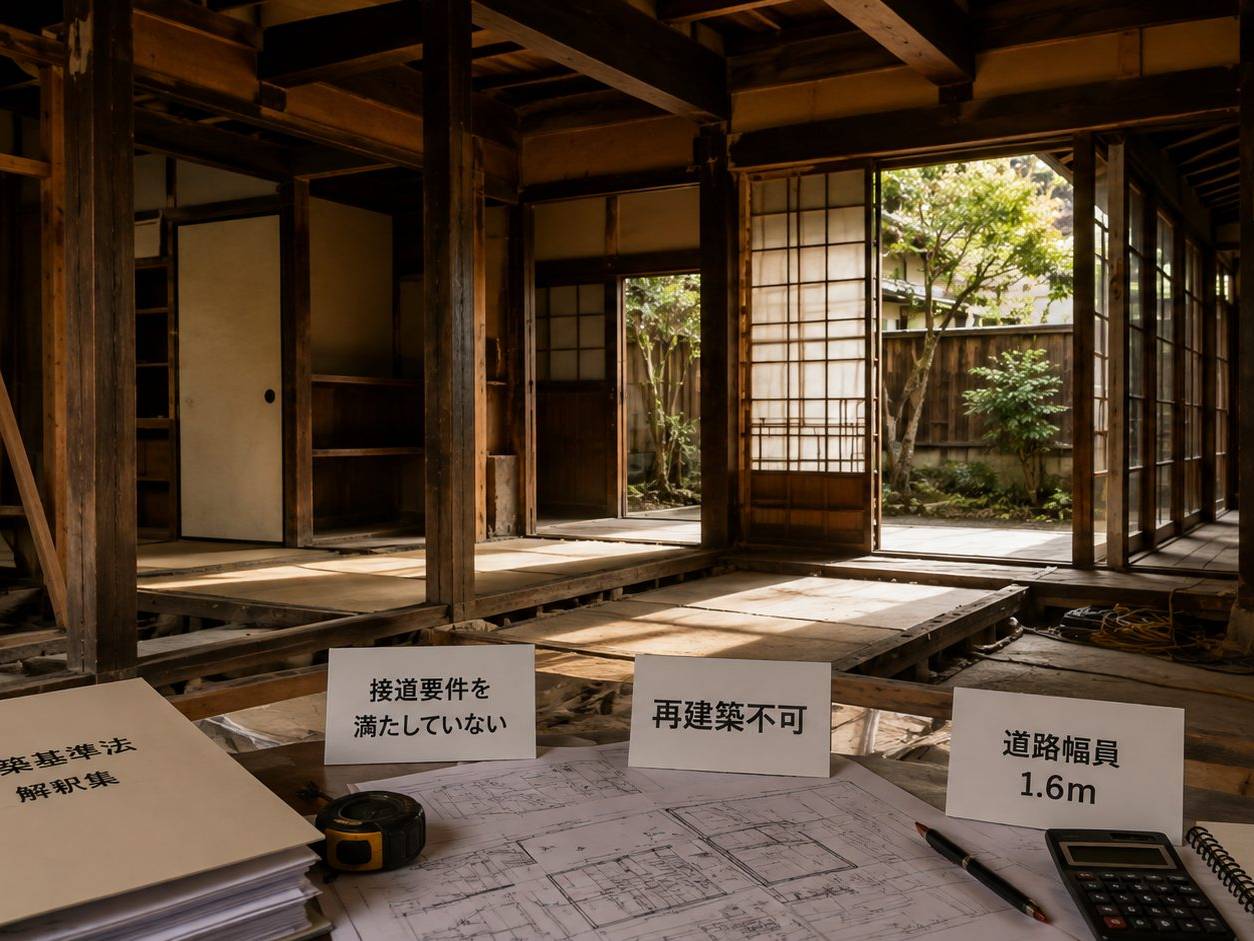
The rebuildable vs nonrebuildable issue
As you know, a huge percentage, probably 75-80%, of Machiyas in Kyoto are located in alleyways. Many of these are classified as ‘nonrebuildable’ which means that, in case of ‘total destruction’, they cannot be rebuilt. Her is a brief summary of the regulations and how they may be interpreted. Please note that this is not legal advise, and that Heritage Homes Japan are not legal experts, We advise all clients to seek independent legal advise prior to purchase!


Why Invest in Kyoto Real Estate?
Ah, Kyoto. The Imperial City for a thousand years. Home to countless UNESCO World Heritage Buddhist temples, Shinto Shrines, Palaces, gardens, narrow winding streets, tea shops, geishas, and tiny Michelin Star restaurants in back alleys. The cultural and spiritual capital of Japan since the year 794AD, visited and loved by millions every year.
But Kyoto is also in many ways a modern and cutting-edge city. It’s home to Nintendo and countless animation, graphic design and gaming companies, and is one of the world’s most prominent seats of learning. Kyoto’s many universities and research centres attract thousands of international graduate and post-graduate students every year and are leading the field in areas as diverse as medicine, robotics and computer sciences.
Kyoto also has a thriving and growing real estate market, not least in the purchasing, restoration and investing in its base housing stock; the traditional Kyoto shophouses (Kyomachiya).
Heritage Homes is a development company and licensed real estate agent in Kyoto.
Here in our hometown in Kyoto, we buy, restore and sell pre-war Machiya shophouses in the heart of the city, and we also buy, restore and sell historical residences in the foothills of north Kyoto.
We only work with heritage buildings. Our passion and our expertise are in rescuing and creating value for our customers in heritage and historical homes. This is also, in our opinion, the safest and most lucrative form of real estate investment you can do in Kyoto.
Heritage Homes work primarily in these wards, as we believe that they provide not just the best growth opportunities but also the strongest rental yields.
The property market in Kyoto, especially for heritage properties like Machiyas, is very strong. The very best properties sell on the first or second day of public viewing, most often site unseen, to buyers in Tokyo and overseas. Please bear this in mind when you plan your acquisition of a Kyoto property.
The rental market and its regulations in Kyoto
Once you have purchased your property through Heritage Homes it’s time to decide if and how you wish to make it generate an income.
The most common ways are:
Kyoto has many machiya operating as guesthouses across a wide range of locations and price points. However, running a property as short-term accommodation involves much more than simply listing it online. It requires careful planning, ongoing management, regular maintenance and consideration for neighbouring residents. When managed properly, it can also offer strong income potential.
To operate a machiya as year-round, nightly accommodation, the property must generally obtain a simple lodging business licence under Japan’s Hotel Business Act. Eligibility depends on several factors, including the property’s location, zoning, road access, building legality, layout, fire-safety measures, sanitation facilities and management arrangements. Consultation with the relevant authorities and advance notification or explanation to nearby residents may also be required.
Requirements vary from property to property, and additional restrictions may apply in certain areas. HHJ works with architects, contractors and specialists experienced in lodging-business applications to assess each property and assist with the necessary procedures.
Please note that an existing guesthouse licence does not automatically transfer solely through the sale of the property. Depending on how the transaction and business transfer are structured, the new operator may need to apply for a new licence or complete an approved business-succession procedure. This should be confirmed with the relevant authorities before the purchase is completed and before the previous operator closes the business.
Older machiya may also contain extensions or alterations that are not reflected in the official building records or that do not comply with current regulations. These discrepancies can affect the licensing process. Depending on the property, additional surveys, corrections to official records, remedial construction, alterations or, in some cases, removal of non-compliant areas may be required.
All licensing requirements are property-specific and subject to assessment and approval by the relevant authorities. We strongly recommend completing a professional investigation before purchasing a property intended for guesthouse use.
A more flexible alternative to operating a year-round guesthouse is to register the property under Japan’s Private Lodging Business Act, commonly known as minpaku. Unlike a hotel or simple lodging business licence, minpaku operates under a notification-based system and allows accommodation to be provided for up to 180 days per year.
Local regulations may further restrict when a minpaku can operate. In Kyoto City’s residential-only zones, operation is generally limited to the period from noon on January 15 to noon on March 16. Exceptions may apply to owner-occupied minpaku and certain certified Kyo-machiya businesses that meet the relevant requirements.
Before operating, the property must meet the legal definition of a residence and comply with applicable safety, sanitation, management and neighbourhood-notification requirements. If the owner or operator will not be present while guests are staying, it may also be necessary to appoint a registered residential lodging management company.
When the property is not being used for minpaku, it may be offered as a genuine medium- or long-term residential rental. However, a stay of one month or longer is not automatically exempt from accommodation-business regulations. Whether an arrangement qualifies as a residential tenancy depends on the contract, management structure and services provided. Professional advice should therefore be obtained before combining minpaku operations with monthly rentals.
Kyoto has a growing market for extended stays among both Japanese and international visitors, including retirees, remote workers and business travellers. For these guests, renting a machiya offers the opportunity to experience Kyoto’s traditional architecture and everyday culture while enjoying a more residential alternative to a hotel or serviced apartment.
Kyoto and the wider Kansai region welcome many international students, university faculty, researchers and professionals each year. Many of them seek furnished homes in Kyoto for stays of six months or longer.
Demand ranges from compact machiya near universities and research institutions to larger, centrally located homes suitable for couples and families. These properties can be offered furnished under six-month or annual residential leases.
Japan’s employment culture often involves transfers between cities, creating steady demand for high-quality long-term rental homes among executives, professionals and families relocating to Kyoto for work.
This market includes properties ranging from comfortable mid-range homes to premium residences. Unlike furnished properties aimed at international or short-term tenants, homes for the domestic rental market are commonly offered unfurnished under standard residential lease agreements.
The Benefits of Choosing Our Property Management
Legal Compliance
We stay up-to-date with the latest regulations and laws to ensure your property meets all legal requirements.
Transparent Reporting
Stay informed with regular, comprehensive reports on your property’s performance and financial status.
Optimised Rental Returns
Our strategic tenant selection process ensures reliable tenants while maximising your rental income.
Prompt Maintenance
Our team promptly addresses maintenance issues, ensuring your property remains in top condition.
Services & Fee Table
Download PDF
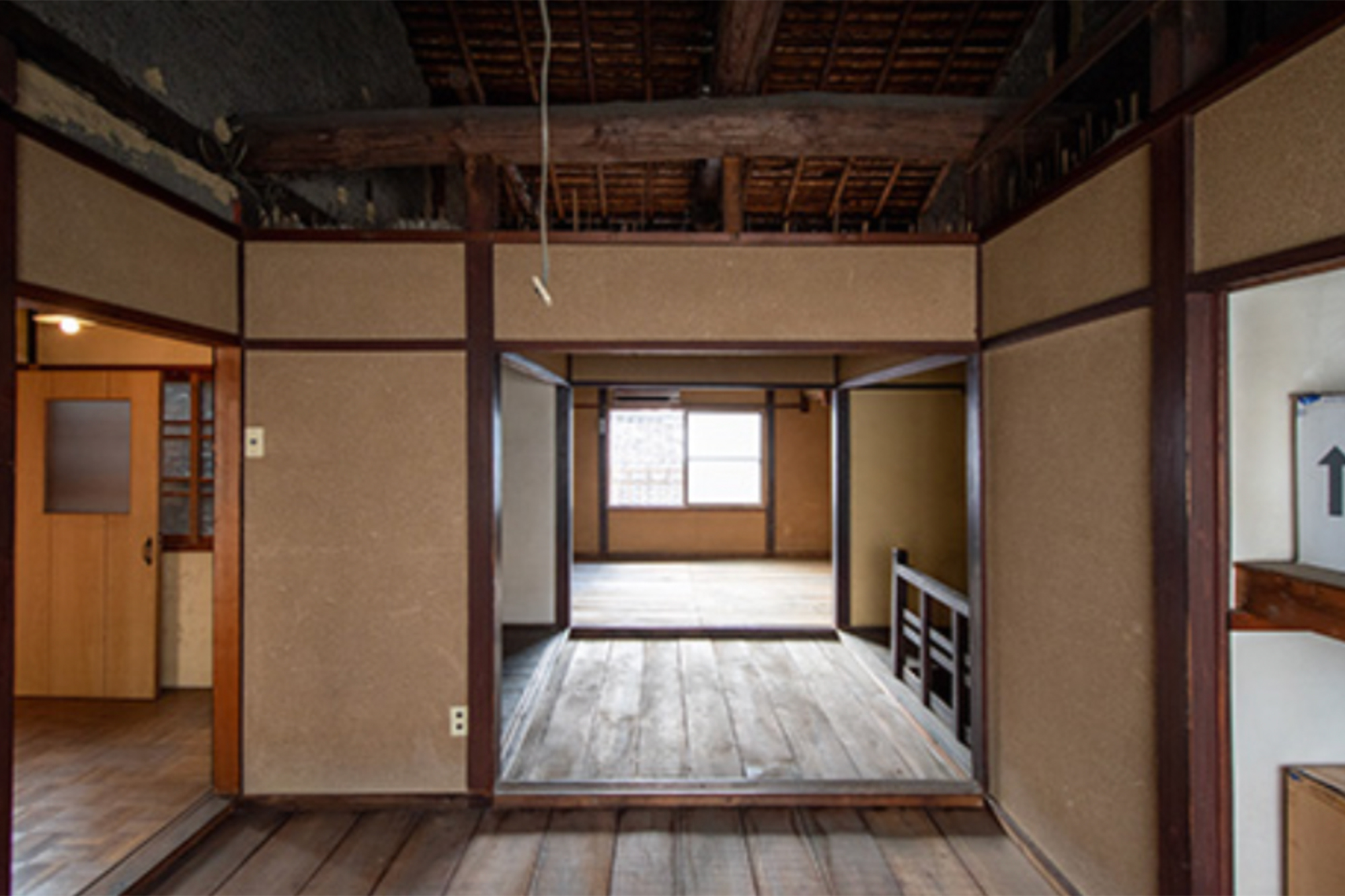


Unrenovated Machiyas
The benefit of buying an unrenovated Machiya is that you can have it restored to exactly fit your needs and taste. Heritage Homes has two highly experienced teams of craftsmen to handle your renovation. All properties have underfloor heating, double glazing, over-dimensioned insulation and energy-saving heat exchange pumps that double as air conditioners. All projects are supervised and warranted by Heritage Homes’ expert team of project managers, each with over 20 years of experience in construction.
The average renovation, including lead times, is 6-8 months.
Renovated Machiyas
You may want a property that you can move into immediately. Heritage Homes occasionally list properties that are not restored by either of our teams. On the rare occasions that we do, we will have thoroughly inspected the property to ensure the quality meets our standards.


In the surrounding countryside
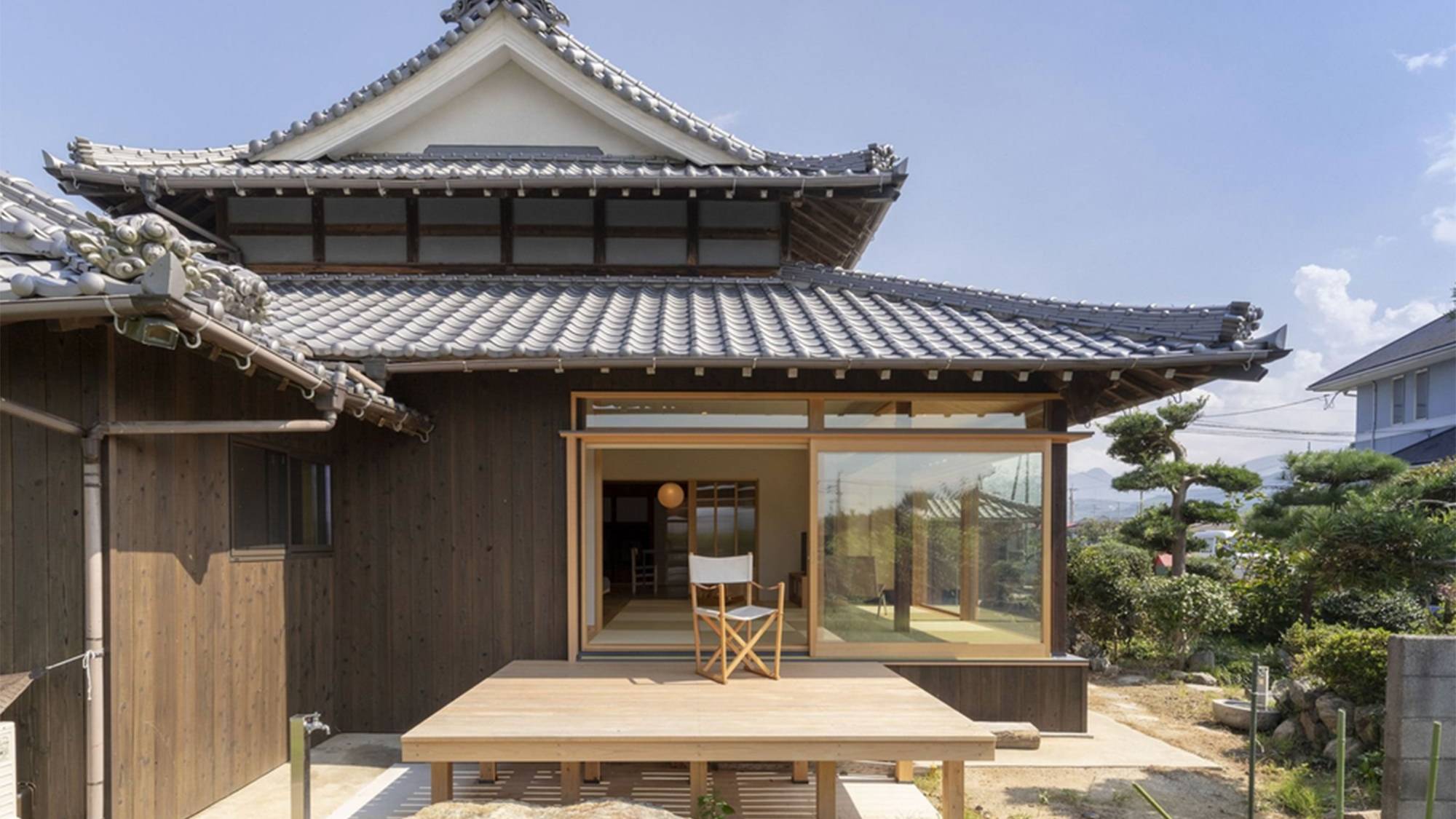
Heritage Homes also offers medium to large historical houses in the foothills north of the city. All our properties are pre-war, wooden houses, built in the traditional ‘kominka’ style, with exquisite woodwork and large gardens, all within an hour of Kyoto. All properties require restoration, which can of course be done by our team of Master Carpenters (Miyadaiku).
FIND YOUR PLACE IN KYOTO
Ready to own a piece of Kyoto’s heritage?
Discover character-filled machiya and traditional homes with the potential to become your own place in Kyoto. Explore our properties currently for sale, or speak with our team about what you’re looking for.